
Palm Hats Story: Woven through time:
Maybe you have used a palm hat in summer or looked for someone using it. But did you know it has a rich history and significance worldwide? It originated to protect against the sun, but this has evolved into cultural symbols and works of art.
How do artisans make them? Let’s figure it out:
- Palm Preparation: Leaves are collected, cleaned, and split into strips.
- Making the crown: The hat’s top is woven first, requiring patience and precision
- Creating the brim: The brim is woven next, varying in width and design
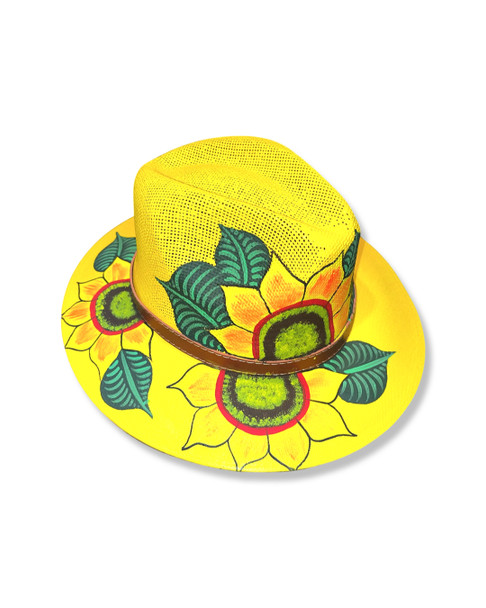
- Last touches: Dyed strips, beads, or embroidery are added. Also, hand-painting like the following picture:
Asia: In the Philippines, the "salakot" symbolizes national identity, while Vietnam's "nón lá" is iconic among farmers and traditional dancers.
Latin America: Ecuador's "sombrero de paja toquilla," known as the Panama hat, is recognized globally for its craftsmanship and is an important cultural symbol.
Africa: In Ghana, palm hats are used for both practical and ceremonial purposes.
Traditional palm hats remain a symbol of sustainable fashion and cultural heritage. They are increasingly appreciated in eco-friendly and fair-trade fashion lines. And you like palm hats?
Recent Posts
-

The Pan Flute: Discover the Sound of the Andes
Few musical instruments are as immediately associated with the Andes as the pan flute. With its dist …7th Jul 2026 -
What is a Spin Drum? Discover this fun and traditional musical instrument
If you've ever picked up a spin drum, you probably discovered how intuitive it is within seconds. Th …1st Jul 2026 -
The meaning behind handmade friendship bracelets
Friendship bracelets have long symbolized connection, appreciation, and shared memories. Traditional …16th Jun 2026